Have you ever wondered what happens when the person making a decision about your loan or your bank’s stability isn’t actually a person at all?
While we’ve been busy marveling at AI’s ability to write poems or generate art, the global banking sector has been quietly handing over the keys to the vault to sophisticated algorithms. But recently, the Reserve Bank of India (RBI) hit the pause button on the hype train. RBI Deputy Governor Swaminathan J issued a sobering reminder: behind every sleek AI interface, there must be a pulse of human accountability.
The Double-Edged Sword of Algorithmic Finance
It’s no secret that AI is a powerhouse for productivity. In the banking sector, it’s the ultimate “super-cop,” sniffing out fraudulent transactions in milliseconds-tasks that would take a human auditor weeks to untangle. However, this efficiency comes with a hidden price tag.
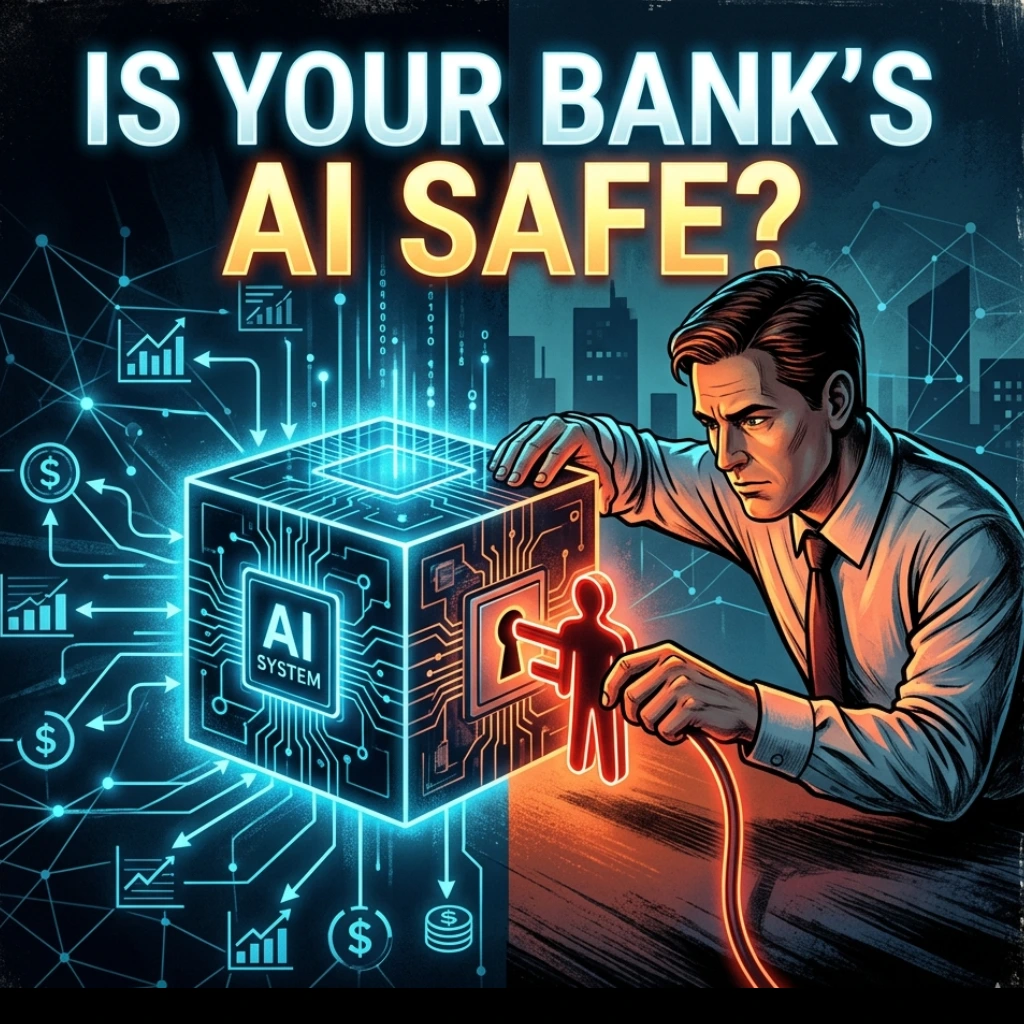
The Deputy Governor’s primary concern centers on “opaque systems.” In the tech world, these are often called “black boxes.” Essentially, the AI reaches a conclusion, but even the programmers who built it can’t explain exactly how it got there.
If a bank’s AI suddenly decides to halt lending to a specific sector based on a misinterpreted data pattern, could it trigger a market-wide panic? The RBI suggests that without transparency, these systems don’t just solve risks-they amplify them.
Why “Human-in-the-Loop” is No Longer Optional
The RBI isn’t just asking for better tech; they are demanding better ethics. According to the recent report on how to ensure human accountability when deploying AI, the central bank is pushing for a “human-in-the-loop” philosophy.
But what does that look like in practice? It means:
- Traceability: If an AI denies a service, there must be a clear trail showing the logic used.
- Bias Mitigation: Algorithms learn from historical data. If that data is biased, the AI will be too. Humans need to step in to “unlearn” those patterns.
- Liability: When a machine makes a mistake that costs millions, who stands in court? The RBI is clear: it’s the board and the senior management, not the code.
The Threat of Systemic Contagion
Could a single line of rogue code crash a national economy? It sounds like the plot of a techno-thriller, but for central bankers, it’s a valid stress-test scenario.
When multiple banks use the same popular AI models to manage risk, they all start behaving the same way. This herding behavior means that if the model has a flaw, the entire financial system might fail simultaneously. By advocating for diverse models and rigorous human oversight, the RBI is essentially building a “firewall” against digital contagion.
Final Thoughts: A Future of “Trust, but Verify”
The message from the RBI is loud and clear: Innovation is welcome, but it cannot come at the expense of stability. We aren’t moving toward a world without AI in finance-that ship has already sailed. Instead, we are moving toward an era of “Trust, but Verify.”
As we integrate these “ghosts” into our financial machines, the goal isn’t to slow down progress. It’s to ensure that when the next financial storm hits, we have a human captain at the helm, not just an algorithm that doesn’t know how to swim.
Are our financial institutions ready to take responsibility for their digital counterparts? The RBI certainly thinks it’s time they were.
FAQs
Find answers to common questions below.
Why is the RBI worried about AI if it helps catch fraud?
While AI is great at spotting patterns, its "black box" nature means we don't always know why it makes certain decisions, which can lead to unpredictable market crashes.
What does "human accountability" actually mean for a bank?
It means that if an algorithm fails or discriminates, a human executive-not the software-is legally and ethically responsible for the fallout.
Can AI cause a systemic financial collapse?
Yes, through "herding behavior." If every bank uses the same AI model and that model has a hidden flaw, they might all fail at the exact same moment.
Is the RBI banning AI in Indian banks?
Not at all. The central bank is encouraging innovation but insists on a "Trust, but Verify" framework to protect consumers.