Have you ever felt like your AI assistant was a bit of a “stranger” living inside your phone? You open an app, ask a question, and get a response that feels technically correct but somehow… off. Well, Mark Zuckerberg and the team at Meta seem to have heard those collective sighs.
In a massive strategic pivot, Meta has officially launched Muse Spark, a ground-up overhaul of its AI consumer products. This isn’t just another incremental update or a new coat of paint; it’s a complete reimagining of how AI lives within the apps we use every single day.
But what does this mean for the average person scrolling through Instagram or checking a WhatsApp message? Let’s dive into why Meta’s “Muse Spark” rollout is shifting the landscape of social technology.
From “Add-on” to “DNA”: The Core of Muse Spark
For the past year, AI felt like a bolted-on feature-a search bar here, a sticker generator there. Muse Spark changes that dynamic by integrating AI directly into the “muscle memory” of Meta’s ecosystem.
Instead of treating AI as a separate destination, Meta is weaving it into everyday tasks. Whether you’re trying to plan a weekend trip in a group chat or looking for a recipe based on a Reel you just saw, Muse Spark is designed to act as a proactive partner rather than a reactive tool.
Why the “Spark” name? It’s about the friction-less transition from an idea to an action. The goal is to reduce the “cognitive load” of switching between apps to get things done.
The Three Pillars of the Overhaul
To understand why this is a big deal for SEO and digital trends, we have to look at the three specific areas where Muse Spark is making waves:
- Contextual Awareness: Unlike previous iterations, Muse Spark understands the “where” and the “why.” If you’re in a WhatsApp thread discussing dinner, the AI won’t just give you a list of restaurants; it will suggest places based on the specific vibe of your conversation.
- Multimodal Mastery: We are moving past text-only prompts. Muse Spark allows users to interact via voice, image, and even video cues in real-time. Think of it as a visual translator for your daily life.
- Cross-App Synergy: One of the biggest pain points has been the “silo” effect. Muse Spark creates a bridge. An idea sparked on an Instagram Story can now be seamlessly transitioned into a functional task or reminder within your Meta-connected ecosystem.
Is This the “iPhone Moment” for AI?
Remember when smartphones stopped being “phones with internet” and just became… our lives? That is the trajectory Meta is aiming for. By making AI invisible yet indispensable, they are betting that users will stop asking “how do I use this AI?” and simply start using it without thinking.
Bullet Points: What’s New for You?
- Proactive Suggestions: AI that anticipates your next step in a workflow.
- Human-Centric Design: No more robotic jargon; the interface is built for natural language.
- Integrated Utility: Direct tools for editing, scheduling, and creating within the feed.
Could this be the move that finally makes AI feel “human” enough for the masses? By focusing on the Muse Spark rollout, Meta is positioning itself not just as a social media giant, but as an essential utility provider.
Final Thoughts: The Human Element
At the end of the day, technology only wins when it gets out of the way. Meta’s shift toward a “ground-up overhaul” suggests they’ve realized that people don’t want more “tech”-they want more time and ease.
Muse Spark represents a gamble on intimacy. It’s a bet that we want an AI that knows our preferences, understands our social circles, and helps us navigate our digital lives with a bit more “spark” and a lot less friction.
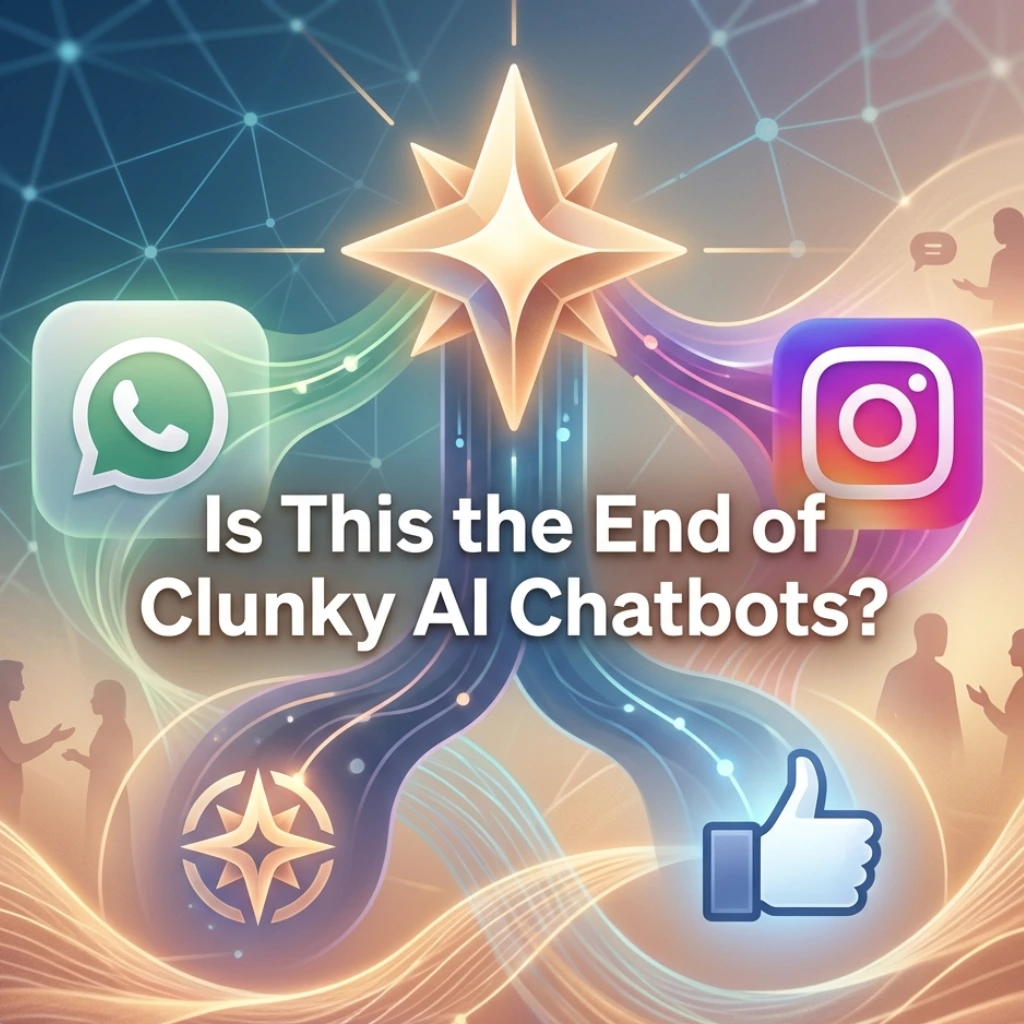
Will it live up to the hype? Only time-and our daily usage-will tell. But for now, the era of the “clunky chatbot” is officially on notice. Meta is ready to turn the page, and the story is looking a lot more personal.
FAQs
Find answers to common questions below.
Is Muse Spark just a rebranded Meta AI?
While it builds on previous tech, Muse Spark is a fundamental "ground-up" overhaul, meaning the architecture is designed for proactive assistance rather than just reactive chatting.
Can Muse Spark "see" what I’m doing in other apps?
It operates across the Meta ecosystem (Instagram, WhatsApp, Messenger) to create a bridge between your inspiration and your actions, making cross-app multitasking much smoother.
Will this make my social media feel more cluttered?
Actually, the goal is the opposite. Muse Spark aims to be "invisible yet indispensable," removing the friction of switching apps to get things done.
How does "Contextual Awareness" actually work?
Instead of giving generic answers, the AI analyzes the "vibe" and specific details of your current activity-like a chat or a post-to provide relevant, real-time suggestions.