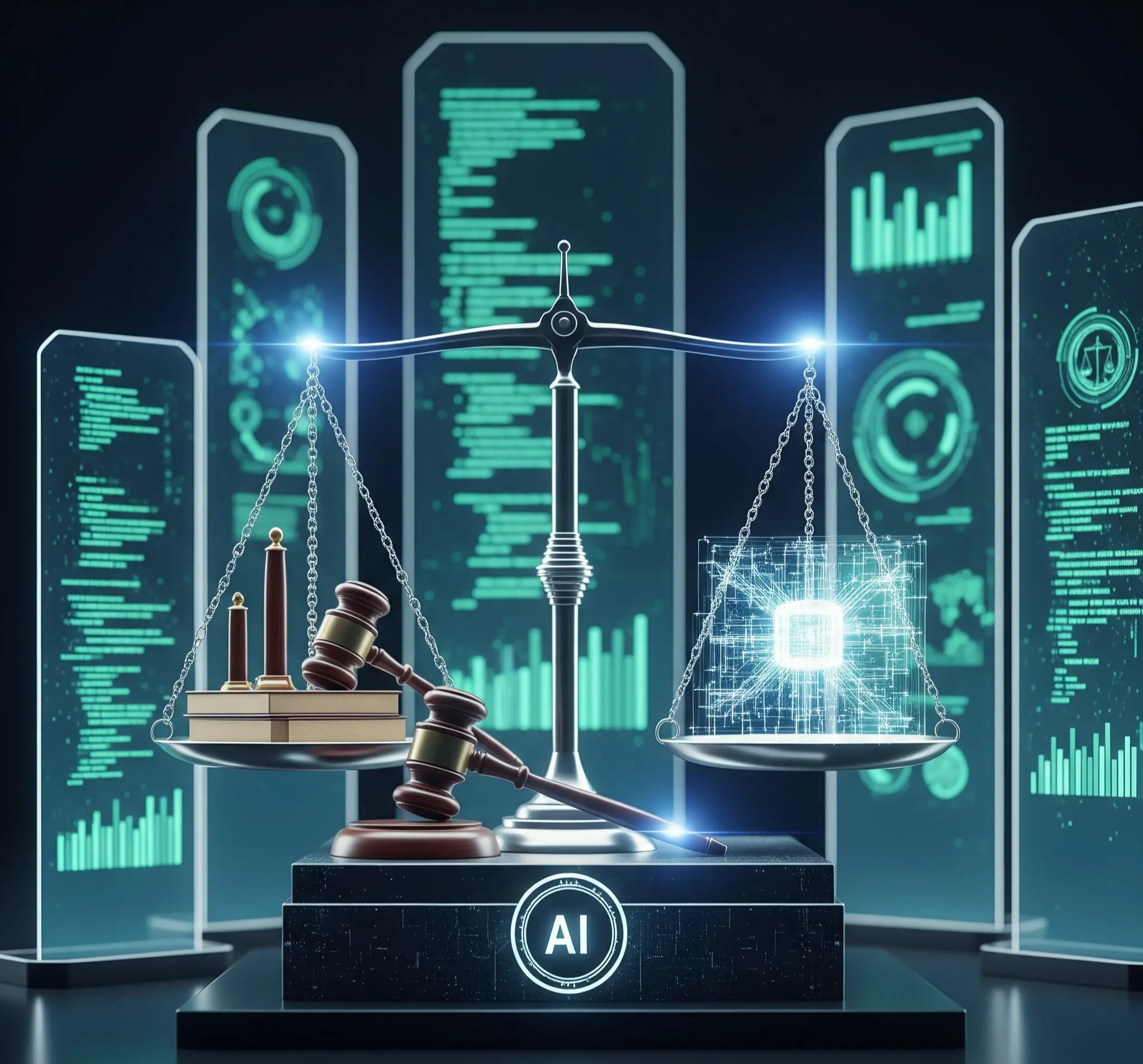
California, home to the most extensive court system in the United States, is at the forefront of a profound debate: how to integrate artificial intelligence into its judicial processes without sacrificing fairness and human oversight. The state’s Judicial Council recently approved landmark rules to guide the use of generative AI by judges, clerks, and court staff, a move that highlights a more profound, ongoing transformation.
While the new rules are a significant step, they also underscore the fact that AI is already a quiet yet powerful force in the legal world. Judges in California and elsewhere are using algorithmic tools like COMPAS (Correctional Offender Management Profiling for Alternative Sanctions) to inform critical decisions about bail and sentencing.
However, these tools have been at the center of controversy due to concerns about racial bias. A ProPublica analysis of COMPAS data from Broward County, Florida, found that the algorithm incorrectly flagged Black defendants as high-risk nearly twice as often as white defendants. In contrast, white defendants were more likely to be misclassified as low-risk.
The Rise of AI in Legal Practice
Beyond the courtroom, AI is becoming a staple for legal professionals. Law firms are using a variety of AI-powered platforms to streamline everything from legal research and document review to drafting motions and summarizing depositions. For example, tools like Harvey AI are assisting lawyers with tasks like contract analysis and regulatory compliance.
At the same time, platforms like Casetext and Lex Machina use AI to help find relevant case law and statutes. This trend raises questions about the ethical use of AI, as well as the need for robust policies to ensure that technology is a tool for justice, not a replacement for human judgment.
The State Bar of California has even released guidance for lawyers on the responsible use of generative AI.
California’s Bold First Step
The California Judicial Council’s new guidelines, which take effect on September 1, are designed to address some of these concerns. They require:
- Human Oversight: AI cannot make decisions or draft legal documents without meaningful human review.
- Confidentiality: Court personnel are forbidden from entering sensitive case information into public AI platforms.
- Bias Prevention: Policies must guard against bias baked into AI systems, particularly those trained on potentially flawed or discriminatory historical data.
- Disclosure: A disclosure must be made for any publicly accessible visual, written, or audio material that AI generated.
While these rules are a vital starting point, many believe they are not enough. Critics argue that they only apply to court employees and don’t regulate how private attorneys or public defenders use AI, leaving a significant gap in oversight.
A Call for a Statewide Vision
As AI continues to evolve at a rapid pace, the call for a more comprehensive, statewide approach is growing louder. Experts have proposed creating a “Judicial AI Commission,” an independent panel that would design transparent and enforceable AI standards for all courts. This commission could mandate disclosure for all AI-assisted legal filings and establish regular audits to check for bias.
The stakes are high. The California judicial system handles approximately five million cases annually, and the consequences of AI’s integration, if not correctly managed, could be profound. We must carefully govern AI to ensure the “rule of law” doesn’t become the “rule of code.”
FAQs
Find answers to common questions below.
What are the new AI rules for California's courts?
Human Oversight: AI cannot make decisions or create legal documents without a human review. Confidentiality: Court staff can't put sensitive case details into public AI tools. Bias Prevention: The rules require policies to prevent unfairness or bias from AI systems. Disclosure: If AI creates a public-facing document, a disclosure must be made.
Why is there concern about AI in the courts?
AI tools like COMPAS, which predict a person's risk of re-offending, have been shown to have racial bias. Critics worry that without proper oversight, AI could make the justice system less fair.
Do these rules apply to lawyers?
No, the new rules are only for court employees. However, the State Bar of California has released separate guidance for lawyers on the ethical use of AI.
What is the "Judicial AI Commission"?
This is a proposed independent group of experts that would create clear rules and conduct audits for AI use across all California courts.