The era of “scrolling through pages” is officially dying. For decades, online shopping meant opening a browser, typing keywords into a search bar, and filtering through endless lists of products. But as we move into 2026, a massive shift is occurring. We are entering the age of Autonomous Shopping Agents.
The Rise of the “Invisible” Storefront
In 2026, shopping has become a background task. Instead of visiting five different websites to compare prices for a product, users are now delegating the task to AI agents. You no longer browse; you simply command: “Find me a sustainable, high-quality jacket that fits my style and budget, and order it.”
This shift is creating a “frictionless” economy where the AI handles the search, the comparison, and even the checkout process. E-commerce is becoming hyper-personalized. Homepages no longer look the same for everyone; AI generates a unique storefront for every user based on their real-time needs, local weather, and even upcoming calendar events.
The Great Platform War: Retail Giants vs. The Bots
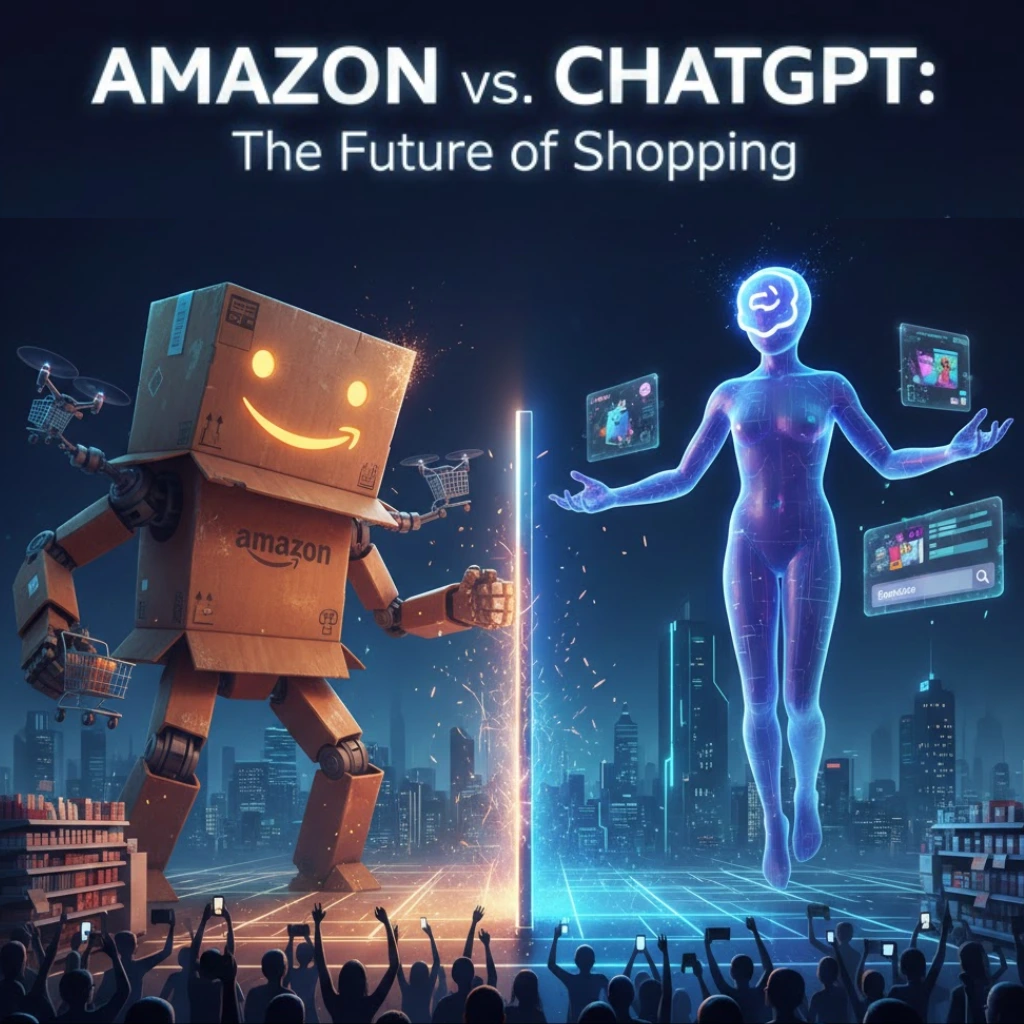
However, this transition isn’t without conflict. A “cold war” has emerged between global retail giants and AI developers. Some major platforms have started blocking AI crawlers to protect their data and advertising revenue.
The consequence? If you use an AI agent to shop, it might completely ignore inventory from platforms that block access, favoring retailers who allow AI integration. This “Platform War” is forcing brands to choose: do they stick with the old-school marketplace model or optimize for the new AI-driven discovery engines?
Efficiency Over Excess
Beyond the consumer experience, AI is fixing the industry’s biggest nightmare: Overproduction. By using predictive analytics, brands can now forecast demand with near-perfect accuracy. This means fewer “End of Season” sales because brands aren’t making excess stock, they are making exactly what the AI knows the consumer will buy. This data-driven approach is making the retail cycle faster, leaner, and more profitable.
The Verdict
The “Search” era was about finding. The “Agent” era is about receiving. While we gain convenience and personalization, the human-brand relationship is being mediated by an algorithm. One thing is certain: by the end of 2026, the way you bought clothes or gadgets just two years ago will feel like ancient history.
FAQs
Find answers to common questions below.
What exactly is an AI Shopping Agent?
An AI Shopping Agent is an autonomous assistant (like an advanced version of ChatGPT) that doesn't just find products for you but also compares prices, checks reviews, and can even complete the checkout process on your behalf.
Why are major retail platforms blocking AI bots?
Retail giants want to keep users on their own websites to show them ads. By blocking AI bots, they try to prevent "invisible shopping" where the consumer never actually sees the brand's website or advertisements.
Will AI shopping make products cheaper?
In many cases, yes. AI can track prices across thousands of stores in milliseconds to find the absolute best deal, and it helps brands reduce waste (overproduction), which can lead to lower prices for consumers.
How does "Hyper-Personalization" work in 2026?
Instead of everyone seeing the same homepage, AI uses your real-time data, like your local weather, upcoming travel plans, and style history—to create a digital store made specifically for you.