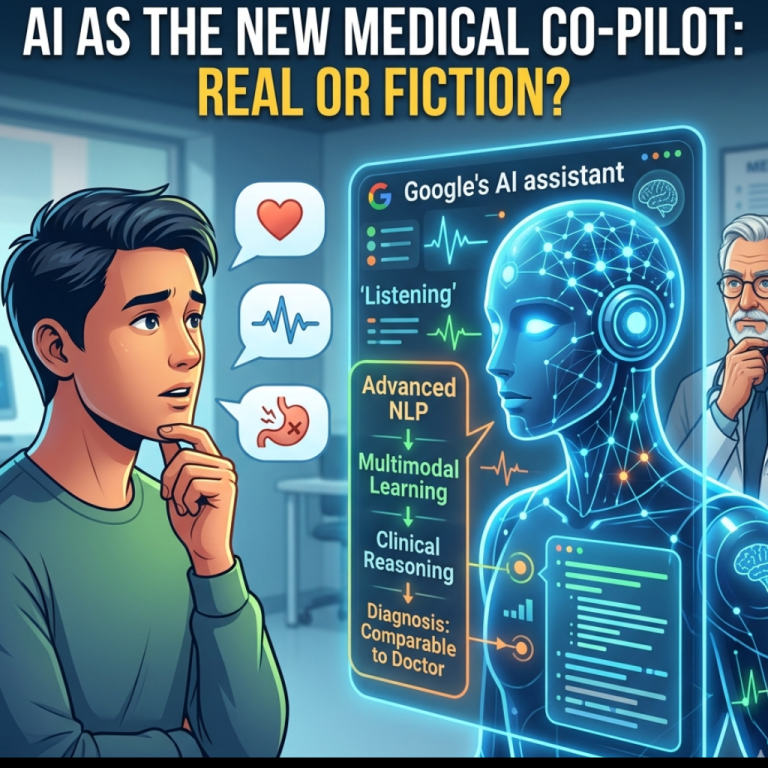
Imagine walking into a clinic, describing your symptoms to a conversational assistant, and receiving a diagnostic breakdown that rivals a seasoned physician. It sounds like science fiction, right? But as of today, that boundary between human expertise and artificial intelligence has blurred significantly.
A groundbreaking clinical study released today has sent ripples through the healthcare industry, revealing that Google’s conversational AI medical assistant is now performing diagnostic reasoning at levels comparable to human doctors during patient interviews.
Why Does This Breakthrough Matter?
For years, the critique of AI in medicine was simple: “It can process data, but it can’t think like a doctor.” Doctors don’t just look at blood tests; they interpret the nuance of a patient’s tone, the history of their symptoms, and the subtle connections between disparate physical signs.
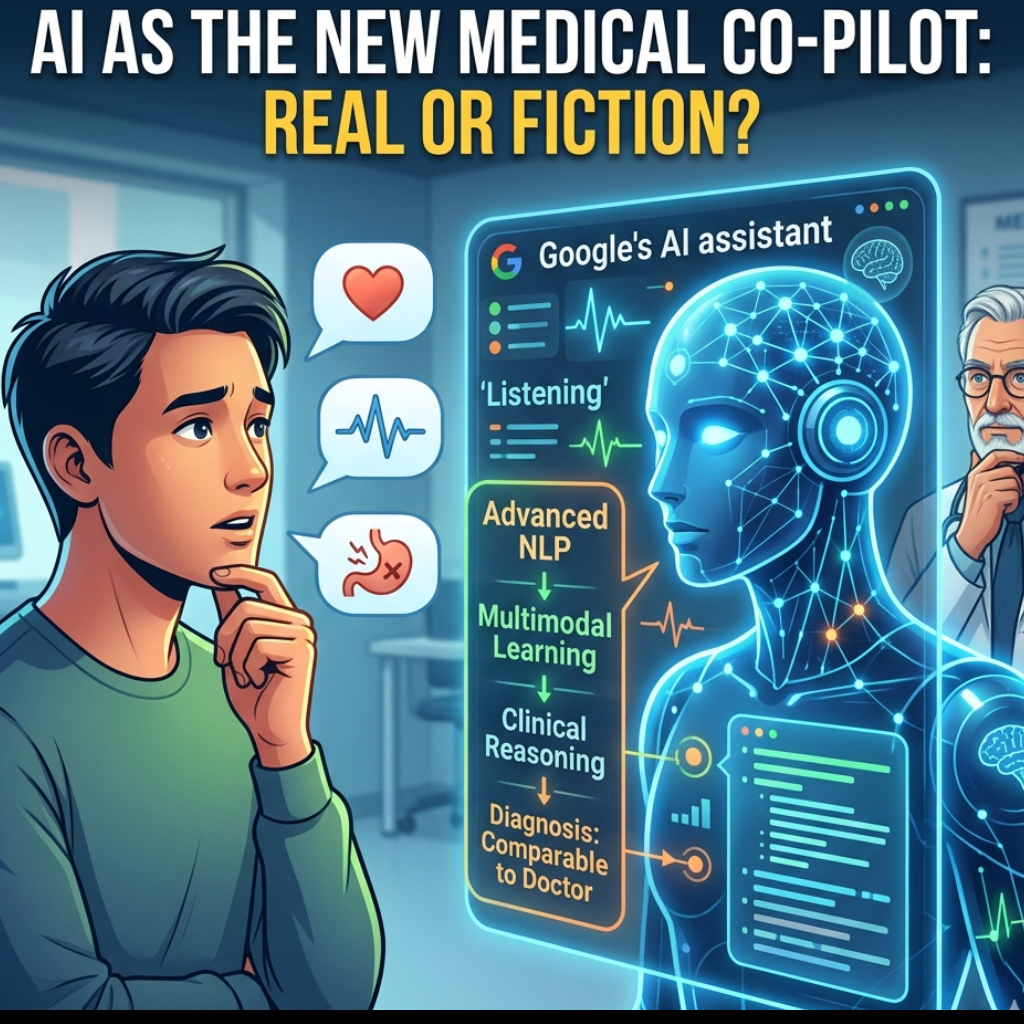
The latest study suggests we are entering a new era. By utilizing advanced Natural Language Processing (NLP), Google’s AI doesn’t just “chat”-it probes. It asks follow-up questions, eliminates outliers, and arrives at diagnostic conclusions with a precision that has left many experts stunned.
But can a machine truly replicate the “clinical gut feeling” that comes with twenty years of medical practice? The data suggests it’s getting remarkably close.
More Than Just a Chatbot: The Technology Behind the Shift
What makes this possible? The success lies in the integration of massive datasets and multimodal learning. This isn’t a generic AI; it’s a specialized system trained on medical literature, case studies, and real-world patient interactions.
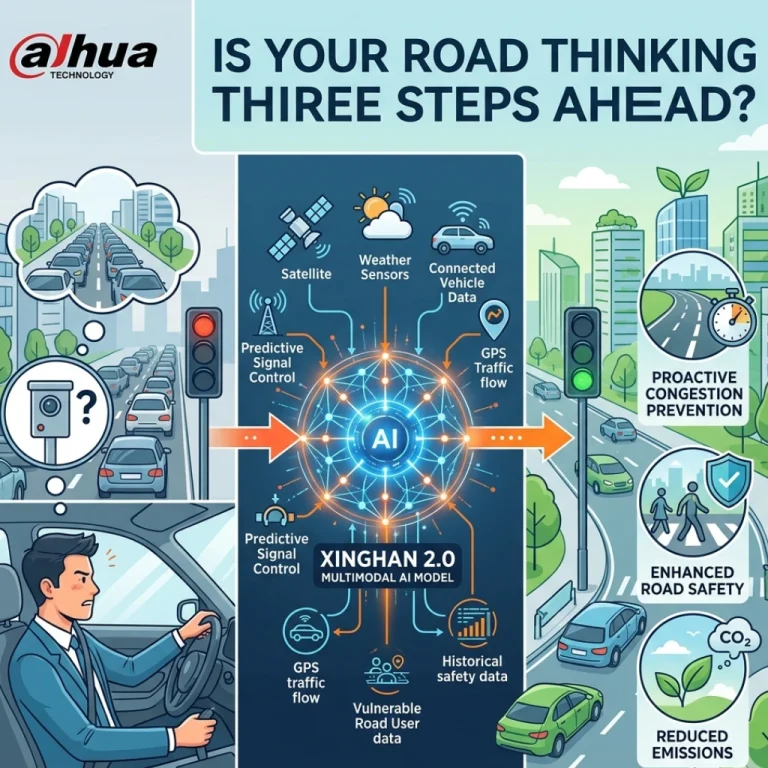
While Google is tackling the medical front, we are seeing a global surge in specialized AI applications. For instance, the hardware and “vision” behind these systems are evolving rapidly. This week in Amsterdam, we saw similar leaps in high-tech integration as Dahua Technology showcases AI-powered ITS solutions at Intertraffic 2026, emphasizing how language understanding and machine vision are converging to solve complex human problems.
Key Highlights from the Clinical Study
The study focused on several key metrics to determine if the AI was truly
- “doctor-ready”: Diagnostic Accuracy: The AI matched or exceeded human benchmarks in identifying complex conditions from patient descriptions.
- Information Gathering: It demonstrated a high “hit rate” for asking the right clinical questions to narrow down a diagnosis.
- Empathy Simulation: Surprisingly, patients reported feeling “heard,” noting that the AI didn’t rush them-a common complaint in over-burdened human healthcare systems.
The Elephant in the Room: Will AI Replace Doctors?
This is the question everyone is whispering. The short answer? No. The long answer? It will fundamentally change what being a doctor looks like.
Instead of spending hours on preliminary interviews and data entry, physicians can use these AI assistants as a “Co-Pilot.” Think of it as a super-powered triage system. The AI handles the initial interview and reasoning, and the human doctor provides the final validation, the physical examination, and the emotional support that only a human can offer.
Is it possible that the future of medicine isn’t “Man vs. Machine,” but rather “Man plus Machine”?
Final Thoughts: A New Pulse for Healthcare
Today’s news is a reminder that the “future” isn’t some distant date on a calendar-it’s happening in real-time. Google’s achievement in diagnostic reasoning marks a pivot point where AI moves from a search tool to a clinical partner.
There are still hurdles to clear, from regulatory approvals to ethical considerations regarding patient privacy. However, for a world facing a chronic shortage of medical professionals, a conversational AI assistant that can think like a doctor might be the most important prescription ever written.
FAQs
Find answers to common questions below.
How does Google's AI perform diagnostic reasoning?
The AI uses a specialized large language model (LLM) trained on curated clinical datasets. It doesn't just "predict" text; it follows a logical chain of thought-gathering patient history, weighing symptoms, and ruling out differential diagnoses much like a human doctor during a residency.
Can an AI really be as empathetic as a human doctor?
While AI doesn't "feel," the study found that its conversational pacing and "active listening" prompts (like "Tell me more about that pain") often made patients feel more heard than they do in high-pressure, time-crunched traditional clinical settings.
Is this AI available for public use yet?
Currently, these "Med-Series" models are primarily in the clinical trial and research phase. However, integrations with healthcare providers and diagnostic tools are expected to roll out as regulatory frameworks for AI-driven medicine evolve throughout 2026.
Does the AI replace the need for physical exams?
No. The breakthrough focuses on diagnostic reasoning-the mental process of identifying a disease. Physical palpation, surgery, and hands-on care remain the exclusive domain of human medical professionals, though the AI can suggest which physical tests are most necessary.