Is the world finally ready to police the “Wild West” of Artificial Intelligence? For months, diplomats and tech titans have debated who gets to hold the leash on AI development. Now, the United Nations has made its move-and it’s a big one.
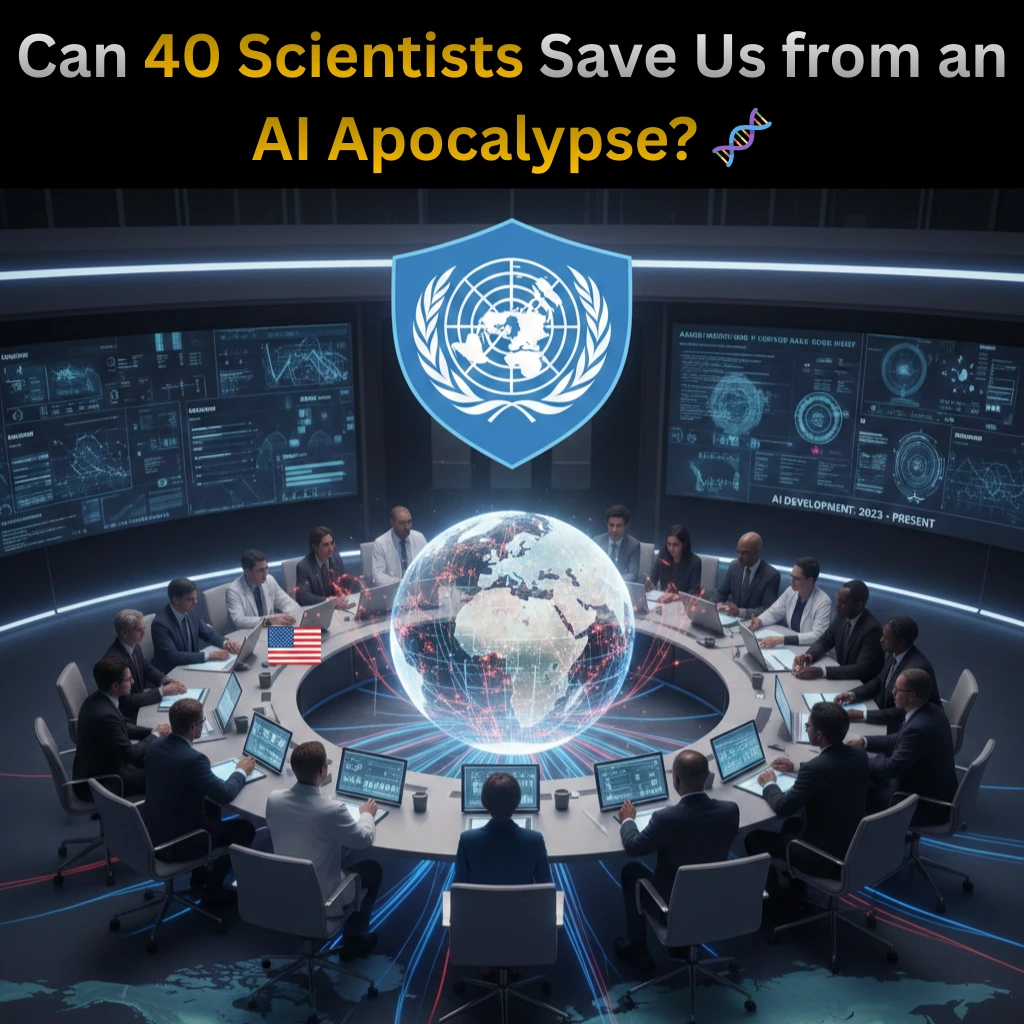
In a landmark decision, the UN General Assembly recently voted to establish a 40-member global scientific panel dedicated to assessing the risks and impacts of AI. While many nations cheered the move as a victory for global cooperation, it hasn’t been without drama. The United States, usually at the forefront of tech policy, voiced strong objections, raising questions about whether this new panel will bridge the digital divide or create a new geopolitical bottleneck.
A Global “Weather Report” for AI?
The newly approved panel is designed to function similarly to the Intergovernmental Panel on Climate Change (IPCC). The goal isn’t necessarily to write laws, but to provide a unified, evidence-based scientific perspective on what AI is actually doing to our societies.
Think about it: right now, we rely on corporate white papers or individual national reports to understand AI’s impact on job markets, misinformation, and autonomous weaponry. This panel aims to change that. But can 40 different scientists from 40 different backgrounds really agree on a single “truth” for such a fast-moving technology?
According to reports, the UN approves 40-member scientific panel on the impact of artificial intelligence over US objections, signaling a shift where the Global South wants a seat at the table that has previously been reserved for Silicon Valley and Beijing.
Why is the US Hesitant?
You might wonder: why would the world’s leading AI superpower object to a scientific panel? The answer lies in the fine print of innovation and governance.
The US delegation expressed concerns that a rigid, centralized UN body might:
- Stifle Innovation: Excessive “risk assessment” could lead to pre-emptive regulations that slow down American tech companies.
- Politicize Science: There is a fear that the panel could become a tool for geopolitical posturing rather than objective research.
- Duplication of Efforts: With the G7’s “Hiroshima AI Process” and the UK’s AI Safety Institute already in play, Washington argues we might be over-complicating an already complex landscape.
Is the US being protective of its tech dominance, or is it a valid warning about bureaucratic red tape killing the next big breakthrough?
What the Panel Will Actually Do
The panel’s mandate is broad, but its primary focus will be on transparency and inclusivity. Here is what we can expect from the 40-member group:
- Risk Auditing: Identifying “black swan” events where AI could potentially threaten global security or financial markets.
- Bridging the Gap: Ensuring that developing nations aren’t left behind as AI shifts the global economy.
- Bias Detection: Analyzing how AI models might reinforce cultural or racial biases on a global scale.
- Annual Reporting: Providing the General Assembly with a “state of the union” for AI, helping leaders make informed policy decisions.
Final Thoughts: A New Era of Digital Diplomacy
The creation of this panel proves a major point: AI is no longer just a tech issue. It is a sovereign one. While the friction between the UN and the US highlights the tension between global oversight and national interest, this move is a significant step. We are finally moving toward a shared understanding of our digital future.
Will this panel become the definitive voice on AI safety, or will it be drowned out by the sheer speed of technological change? Only time will tell. But for now, the world has sent a clear message: the future of AI is too important to be left to the tech giants alone.
What do you think? Is a 40-member UN panel the right way to manage the risks of AI, or are we just adding another layer of bureaucracy to a problem that needs faster, more agile solutions?
FAQs
Find answers to common questions below.
Why did the US oppose the UN Global AI Panel?
The US expressed concerns that a centralized UN body could politicize scientific research and create bureaucratic red tape that slows down private-sector innovation.
How will the UN Global AI Panel differ from existing tech regulations?
Unlike national laws (like the EU AI Act), this panel acts as a global "scientific compass," similar to the IPCC for climate change, providing unified data to help all 193 UN member states make policy.
Can the UN Global AI Panel actually stop dangerous AI?
While the panel doesn't have the power to "shut down" servers, its reports will carry massive diplomatic weight, potentially leading to international treaties and standardized safety protocols.