The world of Artificial Intelligence moves fast, but the legal drama moving behind the scenes is currently moving even faster. If you’ve been following the trajectory of OpenAI and xAI, you know the tension between Sam Altman and Elon Musk has been simmering for years. But right now? The pot isn’t just boiling-it’s spilling over into the courtrooms.
From a massive power struggle in Mississippi to a high-stakes trial scheduled for April 27, the two most influential figures in AI are locked in a battle that could reshape the industry’s future. Is this just a clash of egos, or is the very soul of “Open” AI at stake?
xAI’s Mississippi Power Play: Growth at What Cost?
Elon Musk’s latest venture, xAI, has been sprinting to catch up with GPT-4. To do that, they built the “Colossus” supercomputer in Memphis. However, moving at “Musk speed” often leads to friction with local regulations. Currently, xAI faces legal challenges over its Mississippi power plant and resource consumption.
Local advocacy groups and environmental regulators are raising eyebrows. Why? Because massive AI training clusters require an astronomical amount of electricity and water for cooling.
- The Problem: Reports suggest the facility may have been operating high-pollution turbines without the necessary permits.
- The Conflict: How do you balance the “Greatest Tech Race in History” with the basic environmental needs of a local community?
Musk has always prioritized speed, but as xAI scales, these legal hurdles in the South might be the first real speed bump for his vision of a “TruthGPT.”
Sam Altman Breaks His Silence: Resisting the Takeover
While Musk deals with power plants, Sam Altman is focused on the power of the narrative. In recent discussions, Altman has been more vocal about the early days of OpenAI, specifically resisting Musk’s attempts at control.
According to Altman, Musk’s departure from OpenAI in 2018 wasn’t just a simple disagreement over safety; it was a failed hostile takeover. Musk reportedly wanted to merge OpenAI into Tesla to leverage its resources, a move Altman and the original team felt would compromise the mission of creating AGI for the benefit of humanity.
Think about it: What would the AI landscape look like today if OpenAI had become a subsidiary of an EV company? By standing his ground, Altman secured OpenAI’s independence, but he also created a lifelong rival in the process.
The April 27 Trial: A Date with Destiny
Mark your calendars. The tech world is bracing for a critical court trial on April 27. This isn’t just another corporate lawsuit; it’s a public airing of the “founding grievances” of the modern AI era.
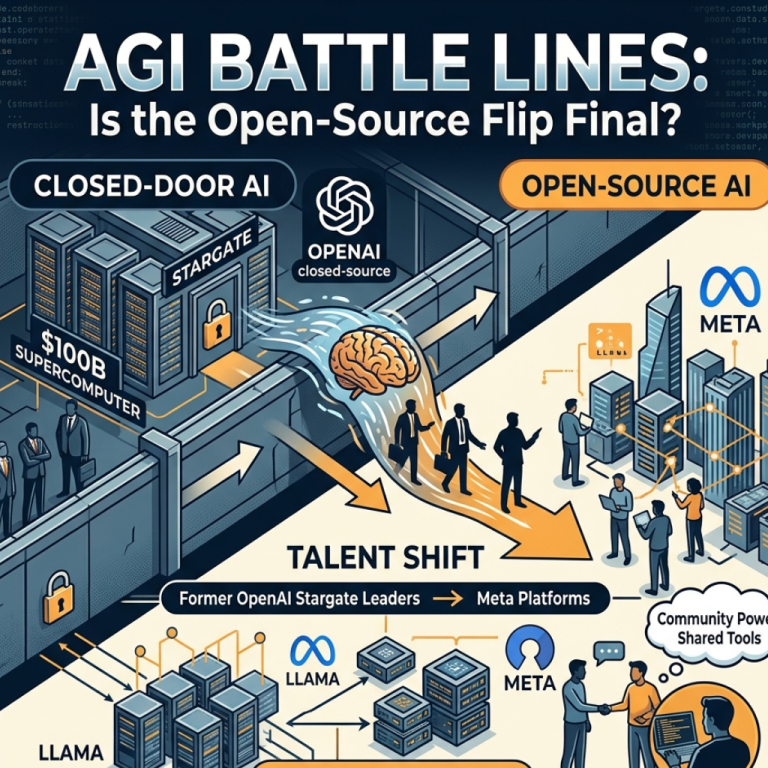
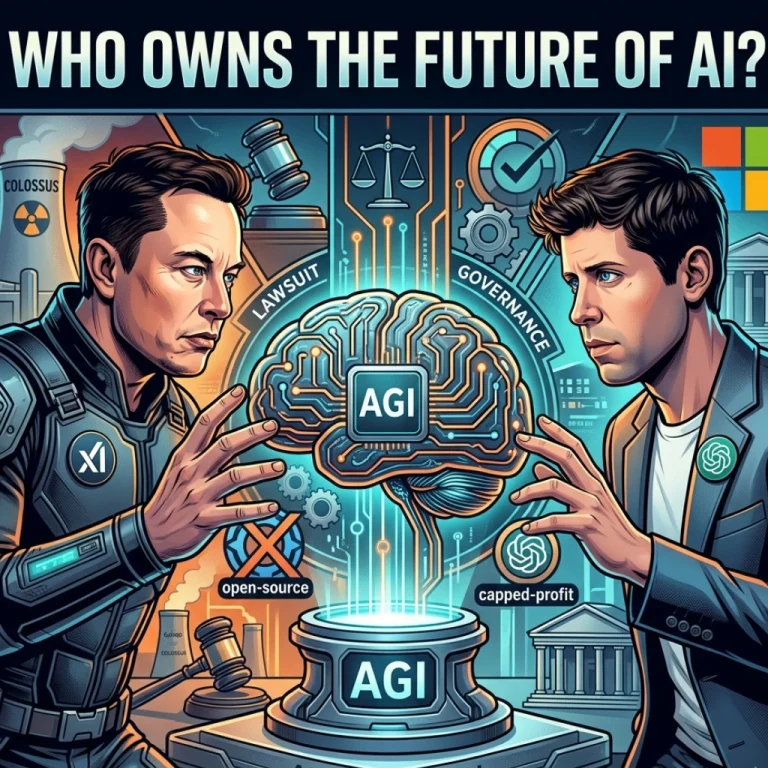
Musk’s lawsuit alleges that OpenAI has abandoned its original non-profit mission in favor of a “closed-source” profit-driven model under Microsoft’s influence. OpenAI, conversely, views this as “revisionist history” from a founder who left because he couldn’t have it his way.
Key questions the trial will likely address:
- Was there a binding “Founding Agreement” to keep OpenAI open-source?
- Has the partnership with Microsoft turned OpenAI into a “de facto subsidiary”?
- Can a non-profit-turned-for-profit entity be held legally liable for changing its mind?
For a deeper dive into the technical and legal nuances of this rivalry, check out the AI Weekly Summary, which highlights how these pressures are converging simultaneously.
Final Thoughts: Who Wins the AI War?
At the end of the day, the friction between OpenAI and xAI is more than just celebrity gossip. It’s about the governance of the most transformative technology of our time. Will AI be controlled by a single visionary leader, or will it be governed by corporate boards and legal precedents?
As we approach the April trial, one thing is certain: the “friendly” era of AI development is officially over. We are now in the era of high-stakes litigation, resource wars, and ideological battles.
What do you think? Should AI be strictly open-source as Musk argues, or is Altman’s “capped-profit” model the only way to fund the massive compute needed for the future? One thing is for sure-the courtroom on April 27 will be the hottest seat in tech.
FAQs
Find answers to common questions below.
Why is Elon Musk suing OpenAI right now?
Musk claims OpenAI has breached its "founding agreement" by becoming a closed-source, profit-driven subsidiary of Microsoft, moving away from its original mission to benefit humanity.
What are the environmental concerns surrounding xAI’s "Colossus"?
The xAI facility in Memphis has faced scrutiny for using high-pollution gas turbines to meet its massive power demands, allegedly without the proper environmental permits.
What happens if OpenAI loses the April 27 trial?
While a total shutdown is unlikely, a loss could force OpenAI to open-source its models or restructure its financial relationship with Microsoft, fundamentally changing how the company operates.
Did Elon Musk actually try to take over OpenAI?
According to Sam Altman, Musk proposed taking full control of the company and merging it with Tesla in 2018, citing OpenAI's slow progress compared to Google at the time.