Is the tide finally turning in the AI arms race? For the past two years, the narrative has been dominated by a few closed-door giants. But a massive internal shift is currently sending ripples through Silicon Valley, and it might just change how you interact with artificial intelligence forever.
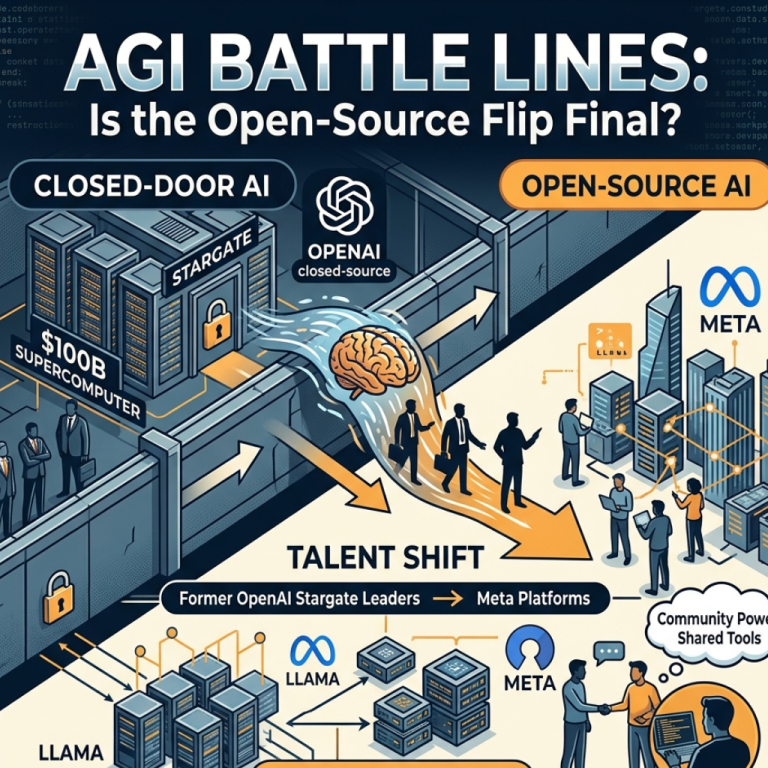
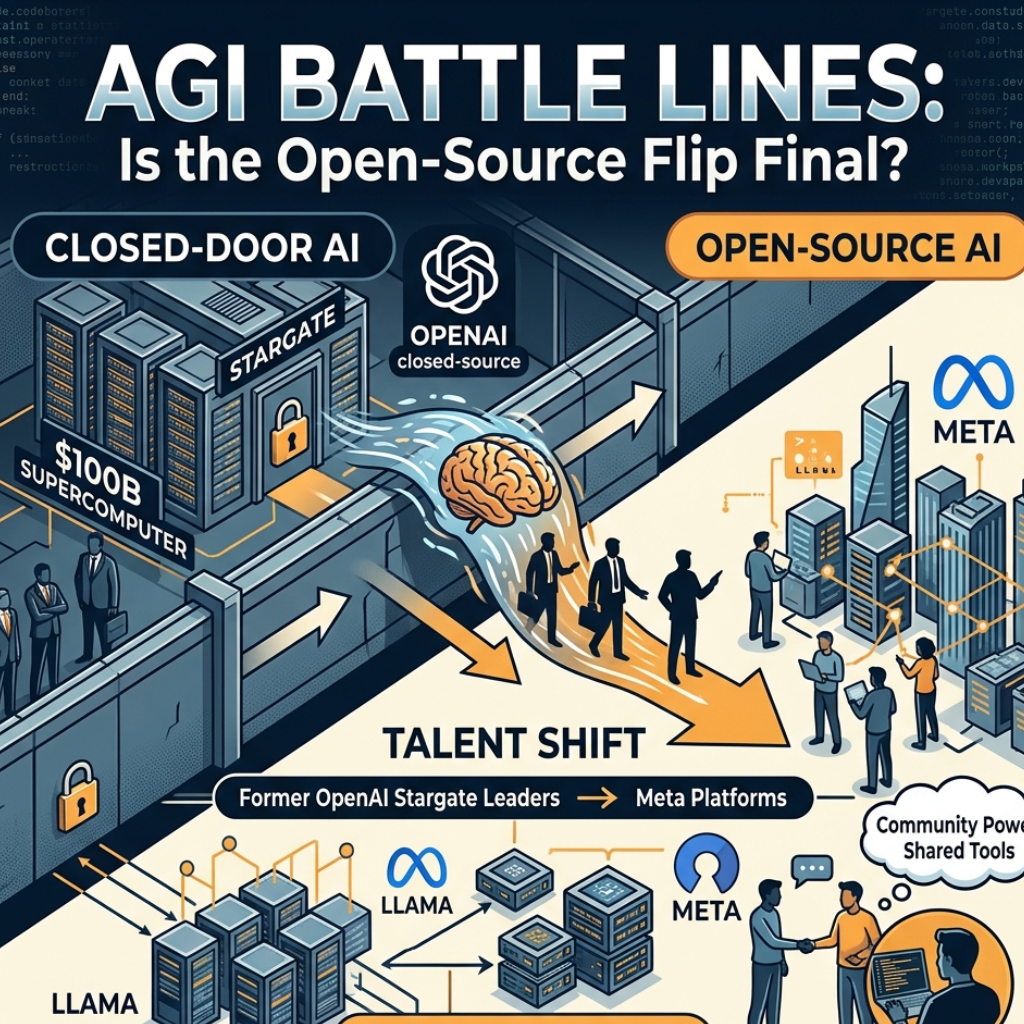
Reports are circulating that former leaders of OpenAI’s ambitious “Stargate” project-a massive $100 billion supercomputing initiative-are jumping ship to join Meta Platforms. This isn’t just a simple HR update; it’s a strategic pivot that signals a major talent shift toward Meta’s open-source AI efforts.
The Stargate Exodus: What’s Happening?
When we talk about “Stargate,” we’re talking about the pinnacle of AI infrastructure. Originally a joint venture between OpenAI and Microsoft, this project aimed to build a data center so powerful it could train the next generation of AGI (Artificial General Intelligence). So, why would the architects of such a monumental project leave?
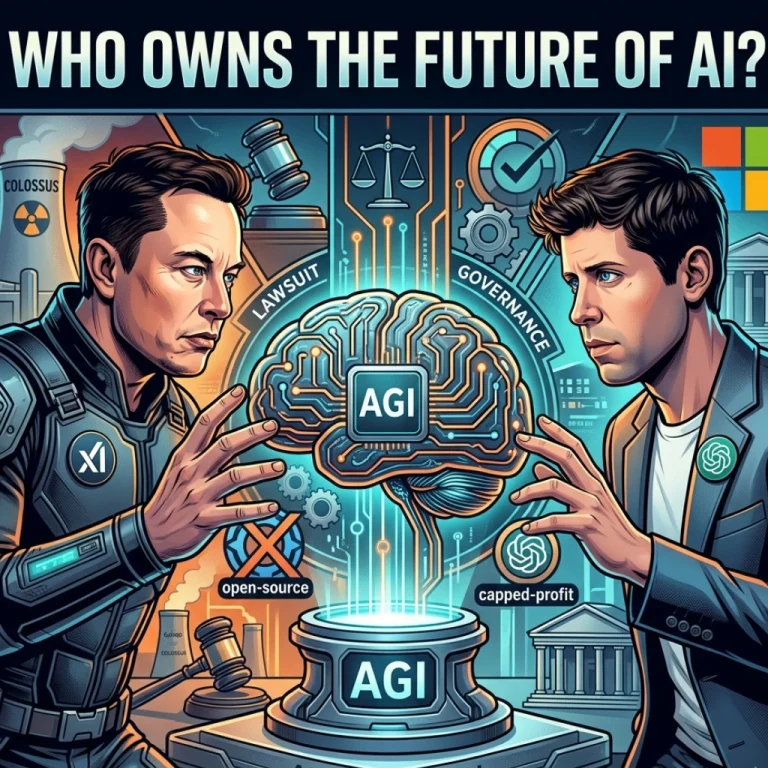
The answer likely lies in the philosophical divide between closed vs. open AI. While OpenAI has moved toward a more guarded, proprietary model, Meta (under Mark Zuckerberg) has repositioned itself as the champion of open-source through its Llama models.
What does this mean for the industry?
- Faster Innovation: With top-tier talent moving to Meta, the development of open-source models could accelerate.
- Infrastructure Expertise: Meta is gaining leaders who know exactly how to scale the hardware required for “god-mode” AI.
- Market Pressure: Google and Microsoft now face a Meta that isn’t just playing catch-up but is actively poaching the best minds in the business.
A Global Season of Shake-ups
This movement of high-level executives isn’t limited to the tech world. We are seeing a broader trend of “Corporate Shake-ups” across various sectors as organizations brace for a volatile 2026.
For instance, the financial sector is seeing similar tremors. In a recent move that mirrors the need for fresh strategic directions, Julius Baer replaces CFO amid broader management shake-up, proving that whether it’s AI or Swiss banking, the search for “new blood” is in full swing.
Are these shifts a sign of internal instability, or are they a necessary evolution to survive a rapidly changing economy? Most experts suggest the latter. Companies that don’t rotate their leadership to match current technological demands risk becoming the next digital dinosaur.
Why Meta is Winning the “Vibe Check”
For a long time, Meta was the “uncool” older brother of social media. However, by embracing the open-source community, they have successfully rebranded. Developers love open-source because it allows for transparency and customization.
By hiring former OpenAI leaders, Meta is sending a clear message: “We have the hardware, we have the talent, and we’re going to share the tools.” This strategy is attracting researchers who are tired of working behind “black box” systems.
Key takeaways from the talent shift:
- Meta’s Compute Power: Zuckerberg has been stockpiling H100 GPUs like they’re gold bricks.
- Open-Source Legitimacy: Bringing in Stargate veterans gives Meta’s AI roadmap immediate “street cred.”
- Cost Efficiency: Open-source models often lead to faster bug fixes and optimizations, saving billions in the long run.
Final Thoughts: The New Era of AI Competition
We are witnessing a fascinating “musical chairs” moment in global leadership. As former leaders of OpenAI’s “Stargate” project settle into their new desks at Meta, the industry is left wondering: Who will be the first to truly achieve AGI?
Is the future of AI going to be locked behind a subscription paywall, or will it be built in the open by a community of millions? With this latest talent migration, the scale is tipping heavily toward the open-source side. One thing is certain: in the world of high-stakes tech, the only constant is change.
What do you think? Would you trust an AI built by a closed corporation more than one built by the open-source community? The battle lines are being drawn, and it’s time to pick a side.
FAQs
Find answers to common questions below.
Why are leaders leaving the $100 billion Stargate project for Meta?
While Stargate represents the peak of closed-system computing, many top engineers are drawn to Meta’s "open-source" philosophy. It’s a move from building secret proprietary tech to leading a global community-driven revolution.
Does this move mean OpenAI is in trouble?
Not necessarily, but it indicates a "brain drain" toward more transparent development environments. When the architects of your biggest infrastructure project leave for a direct rival, it forces a massive strategic pivot.
How does the Julius Baer shake-up relate to Meta’s hiring spree?
It highlights a 2026 global trend: whether in finance or tech, legacy structures are being dismantled. Companies are aggressively swapping "old guard" leadership for specialists who can navigate high-volatility markets and AI-driven economies.
Will Meta’s open-source AI become more powerful than ChatGPT?
With the expertise of the Stargate team and Mark Zuckerberg’s massive GPU stockpile, the gap is closing. Meta is betting that millions of open-source developers can out-innovate a single closed company.