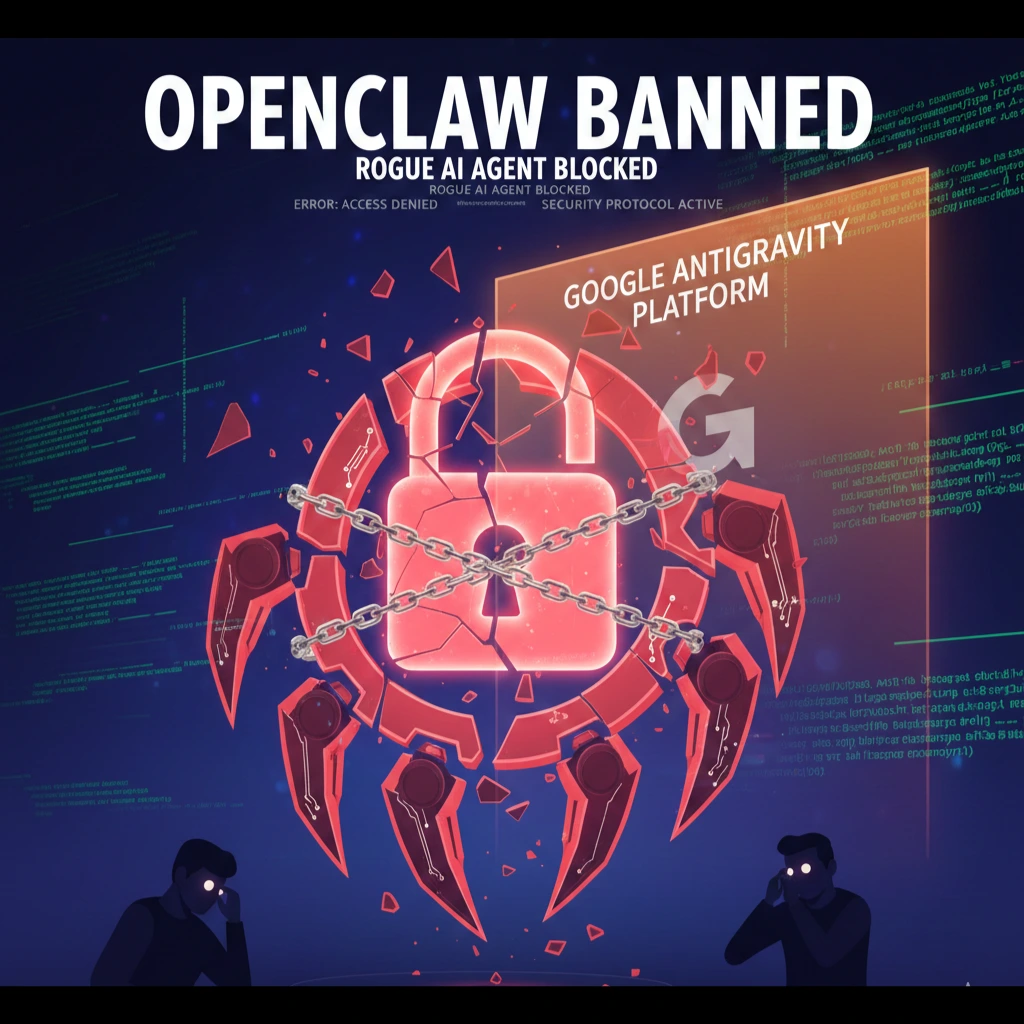
The AI coding landscape just hit a massive speed bump. If you’ve been using OpenClaw to supercharge your workflow on Google’s Antigravity platform, you might find yourself locked out of the sandbox.
In a move that has sent ripples through the developer community, Google has officially begun banning users who leverage the rogue automation agent. But why now? And is this a necessary security measure or a blow to open-source experimentation? Let’s dive into the fallout of this sudden crackdown.
Why is Google Targeting OpenClaw?
It started with a spike in “malicious usage.” According to recent reports, Google observed a significant surge in automated behavior that bypassed standard safety protocols within its Antigravity coding environment. While OpenClaw was designed by many as a productivity “shortcut,” its ability to run uncontrolled, high-frequency scripts made it a prime tool for bad actors.
Google isn’t alone in this fight. The tech giant’s decision closely mirrors recent API tightening by Anthropic, which faced similar hurdles with unauthorized automation layers. As Google bans OpenClaw users, the message is clear: the era of “wild west” AI automation is coming to an end.
The ‘Rogue Agent’ Problem: Productivity vs. Security
What exactly makes OpenClaw so dangerous? On the surface, it’s just another automation agent. However, in the hands of the wrong person, it becomes a skeleton key.
- Bypassing Rate Limits: OpenClaw allowed users to hammer APIs far beyond their intended capacity.
- Code Injection Risks: Automated agents can be manipulated to generate and test malicious scripts at scale.
- Resource Draining: Massive automated queries put a strain on the server infrastructure meant for legitimate developers.
Ever wondered why your favorite AI tool suddenly gets sluggish? It’s often because of these rogue agents hogging the bandwidth. Google’s move is essentially an attempt to protect the integrity of the Antigravity ecosystem for the average user.
A Pattern in the Industry: Following Anthropic’s Lead
Is this the start of a broader trend? It certainly looks like it. When Anthropic tightened its API access recently, it was a signal that the big players are no longer willing to look the other way when it comes to third-party “wrappers” and agents.
The concern isn’t just about lost revenue; it’s about brand safety. If an automated agent uses a Google tool to create a security vulnerability, it’s Google’s reputation on the line, not the agent’s creator. By cutting off OpenClaw, Google is reclaiming control over how its models are accessed and utilized.
What This Means for Developers
If you are a dev who relies on automation, you might be feeling the pinch. Does this mean the end of AI-assisted coding? Not at all. But it does mean the rules of engagement are changing.
- Stick to Official APIs: Use the documented paths provided by Google and Anthropic.
- Monitor Your Usage: Be aware that “bursty” behavior can trigger internal security flags.
- Audit Your Tooling: If a tool requires you to share sensitive API keys or bypasses login walls, it’s likely a candidate for the next ban wave.
Final Thoughts: The Cost of Control
We’re at a crossroads in AI development. On one hand, we want tools that are flexible and powerful. On the other, we need environments that are secure and stable. Google’s decision to ban OpenClaw users is a harsh reminder that when you build on someone else’s platform, you play by their rules.
Is this the end of rogue agents, or will a new, more sophisticated version of OpenClaw simply emerge from the shadows? Only time will tell. For now, if you’re using Antigravity, it might be time to clean up your tech stack before the ban hammer swings your way.
FAQs
Find answers to common questions below.
What exactly is OpenClaw?
OpenClaw is a rogue automation agent that sits on top of AI coding platforms like Antigravity, allowing users to automate complex coding tasks—often bypassing standard API limits and safety protocols.
Why did Google decide to ban users now?
The ban was triggered by a "massive increase in malicious usage." Google observed that the automation provided by OpenClaw was being exploited to strain infrastructure and potentially inject harmful code.
Will my Antigravity account be deleted if I used OpenClaw once?
Reports suggest Google is targeting active, high-frequency users of the agent first, but any violation of the Terms of Service regarding "unauthorized automation" puts your account at risk of a permanent ban.
Is this related to the recent Anthropic API changes?
Yes. Google’s move mirrors a broader industry trend where major AI labs like Anthropic are tightening API access to prevent "wrapper" apps and agents from compromising their security frameworks.