Ever felt like you’re bringing a knife to a laser fight? In the world of cybersecurity, that’s exactly how manual defense feels against modern, AI-automated threats. While we’re busy sipping our morning coffee, hackers are using AI to compress attack timelines from weeks to mere hours.
The question is: How do you defend a perimeter that moves faster than a human can think?
Enter Accenture and Anthropic. At the 2026 RSA Conference, these two giants officially unveiled Cyber.AI, a groundbreaking solution powered by Anthropic’s Claude models. It’s not just another security tool; it’s a total shift from “human-speed” response to continuous, machine-speed defense.
Why “Agentic AI” is the New Secret Weapon
We’ve all heard the buzz about Generative AI, but Cyber.AI introduces something far more potent: Agentic AI. Unlike a standard chatbot that just answers questions, these “agents” can actually do things.
By using Claude as its central reasoning engine, the platform can analyze mountains of security data and orchestrate “missions”-from initial threat assessment to full-scale remediation. Imagine having a digital army of specialists that never sleep and can reason through complex workflows in seconds.
Key features of this new powerhouse include:
- The Reasoning Engine: Powered by the latest Claude models (like the highly advanced Claude 4 series), which offers unprecedented logic and pattern recognition.
- Agent Shield: A dedicated governance layer that monitors these autonomous AI agents in real-time to ensure they stay within company policy.
- A Massive Agent Library: Accenture has poured two decades of security expertise into a library of pre-built agents specialized in everything from identity security to cloud resilience.
Real-World Proof: From Days to Minutes
Talk is cheap in tech, but the numbers behind Cyber.AI are genuinely eye-popping. Accenture didn’t just build this for clients; they deployed it internally first to secure over 1,600 applications and 500,000 APIs.
The results? A massive leap in efficiency that sounds like science fiction:
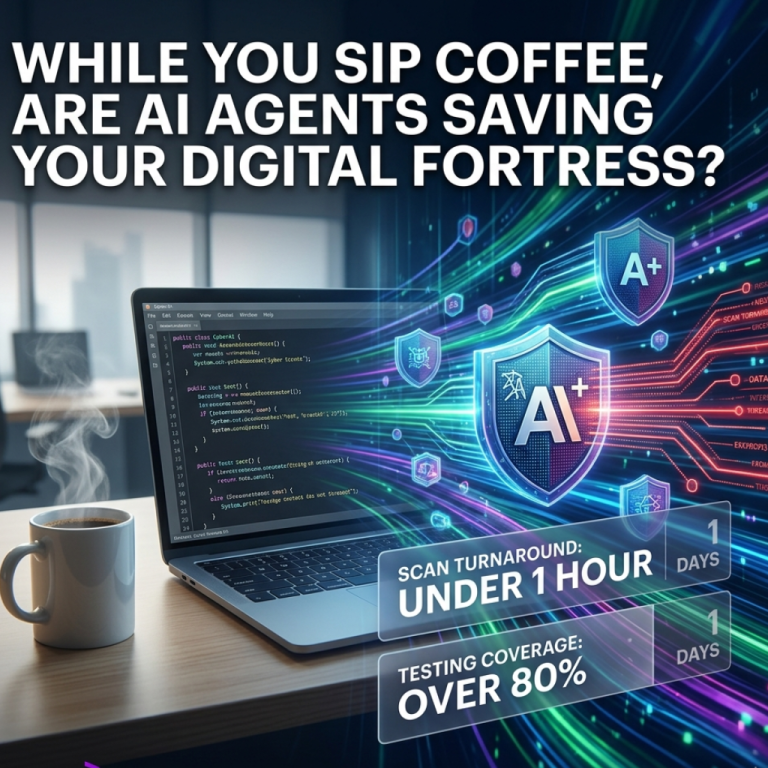
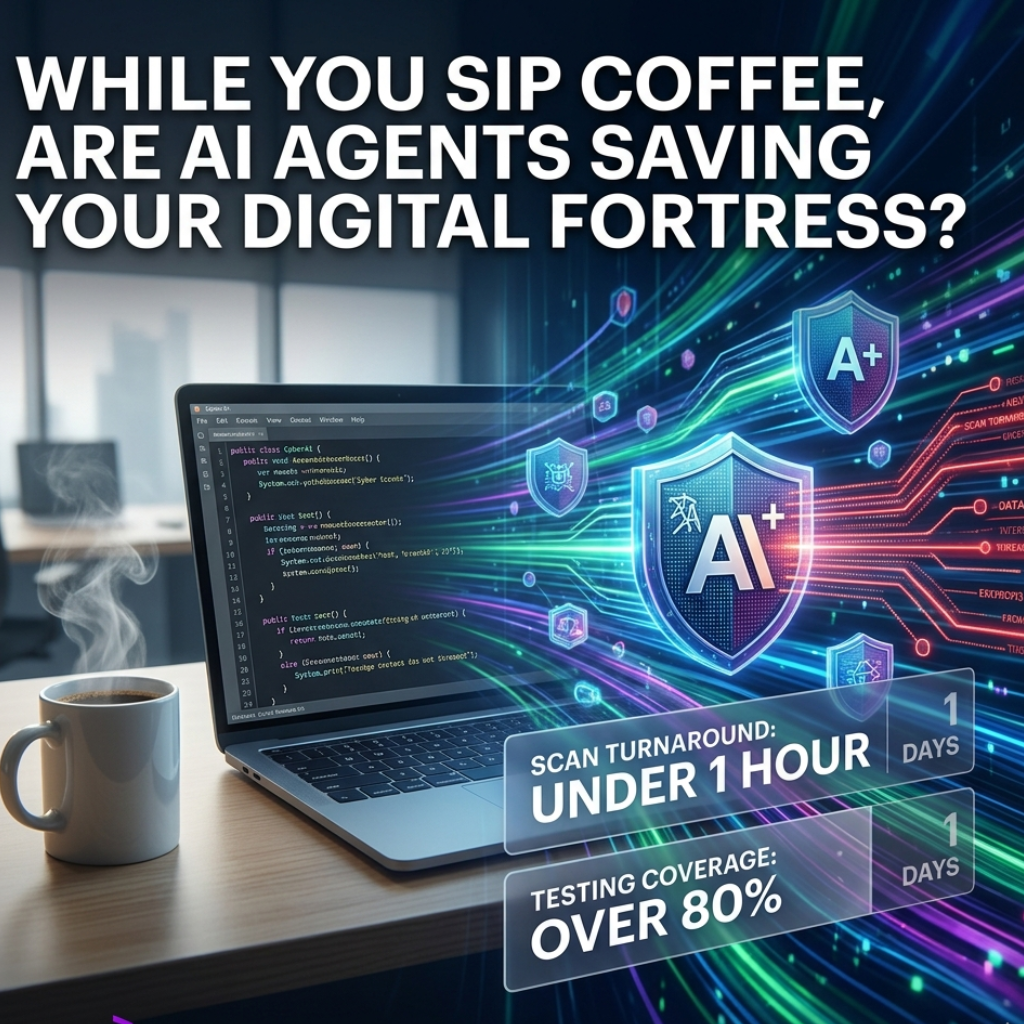
- Speed: Security scan turnaround times plummeted from 3–5 days to under an hour.
- Coverage: Testing coverage jumped from a measly 10% to over 80%.
- Efficiency: Overall service delivery improved by 35%, effectively clearing out backlogs of critical vulnerabilities that used to haunt security teams.
As Damon McDougald, Accenture’s global cybersecurity lead, put it: “Traditional controls are built for human-speed threats.” In 2026, human speed just isn’t fast enough.
Guarding the Guardians: The Ethics of Autonomy
When you give AI the keys to the kingdom, the first concern is always: Who is watching the AI? This is where the Accenture and Anthropic partnership shines. Because Anthropic builds Claude with “Constitutional AI” (a set of ethical guardrails baked into the code), and Accenture adds “Agent Shield” for enterprise governance, the system is designed to be secure by default.
According to the World Economic Forum’s Global Cyber Outlook 2026, 90% of organizations see AI-related vulnerabilities as their fastest-growing risk. By building governance directly into the defense platform, this duo is trying to close that “trust gap” before it becomes a canyon.
Final Thoughts
We are officially entering the era of autonomous security. The partnership between Accenture and Anthropic marks a turning point where AI isn’t just an assistant-it’s the backbone of the digital perimeter. For global businesses, the choice is becoming clear: automate your defense or prepare to be outpaced.
Would you like me to dive deeper into how “Agent Shield” actually works, or perhaps explore how this impacts the roles of human security analysts?
FAQs
Find answers to common questions below.
What exactly makes "Cyber.AI" different from a standard firewall?
Unlike static defenses, Cyber.AI uses Claude’s reasoning to act as an "autonomous agent," meaning it doesn't just block threats-it investigates and remediates them like a digital security analyst.
Can an AI-powered security system actually be trusted to run itself?
It’s a valid concern. That’s why the solution includes "Agent Shield," a specialized governance layer designed to keep AI agents within strict corporate and ethical boundaries.
Does this mean human cybersecurity jobs are going away?
Not exactly. While it automates the "grunt work" (like scanning 500,000 APIs), it’s designed to free up human experts to focus on high-level strategy rather than drowning in log files.
How fast is the turnaround compared to traditional methods?
In internal tests, Accenture saw security scan times drop from a 5-day human process to under one hour using the new AI framework.